When children feel overwhelmed, their world can suddenly shrink. A sound, a “no,” a change in routine, and then breathing becomes quick and shallow, shoulders tighten, and calm feels far away. In those moments, adults often say, “Take a deep breath”, but for a young child, especially one still learning to manage emotions, those words can feel abstract. What adults really mean is: “You’re safe; let’s find calm again”.
Read More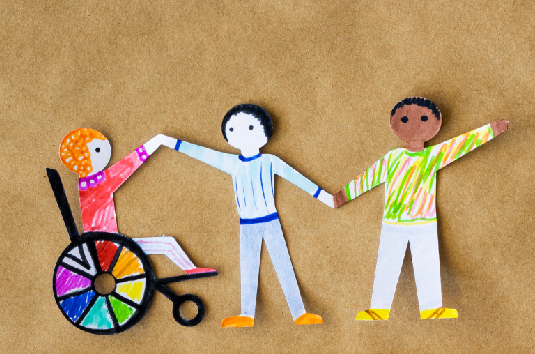
In 2019, Mesa, Arizona made history as the first city in the United States to earn the Autism Certified City designation — a milestone that reshaped how communities nationwide think about inclusion. Granted by the International Board of Credentialing and Continuing Education Standards (IBCCES), the designation reflects a citywide commitment to accessibility, staff training, and genuine awareness of autism.
Read More
As we close out the year at American Behavioral Solutions (ABS), we’re taking a moment to reflect on what mattered most: people. Every goal met, every new program launched, every new team member trained—none of it exists without the families who trust us and the professionals who show up each day with care, consistency, and clinical excellence.
Read More
Applied Behavior Analysis (ABA) therapy is a powerful tool for helping children learn new skills and reduce challenging behaviors. But families are often surprised to discover that when initiating ABA therapy—or even when introducing new strategies at home—things can get harder before they get better. The tantrums may be louder, the protests stronger, the meltdowns bigger. That frustrating moment is what ABA calls an extinction burst.
Read More
In Applied Behavior Analysis (ABA) therapy, one of the most important things we do is help children learn how to do things on their own. But how do we get there? That’s where prompting and fading come in. Think of prompts like a set of training wheels—just enough support to help your child succeed, without doing the whole task for them. And just like training wheels, the goal is to remove them gradually until your child can ride solo.
Read More
Applied Behavior Analysis (ABA) is most effective when children receive consistent reinforcement, expectations, and routines across different environments. While therapy sessions provide a structured space for learning, the progress often depends on what happens outside those sessions—especially at home. When caregivers follow through with the same strategies used during therapy, children are more likely to generalize skills and reduce challenging behaviors.
Read More
Have you ever promised a treat just to get through a tough bedtime? Or handed over the iPad mid-tantrum just to keep the peace? We’ve all been there. In Applied Behavior Analysis (ABA), we often talk about the difference between reinforcement and bribery. At first glance, they might look the same—but understanding the difference can have a big impact. It can shape how your child learns, how they handle challenges, and how they grow over time.
Read More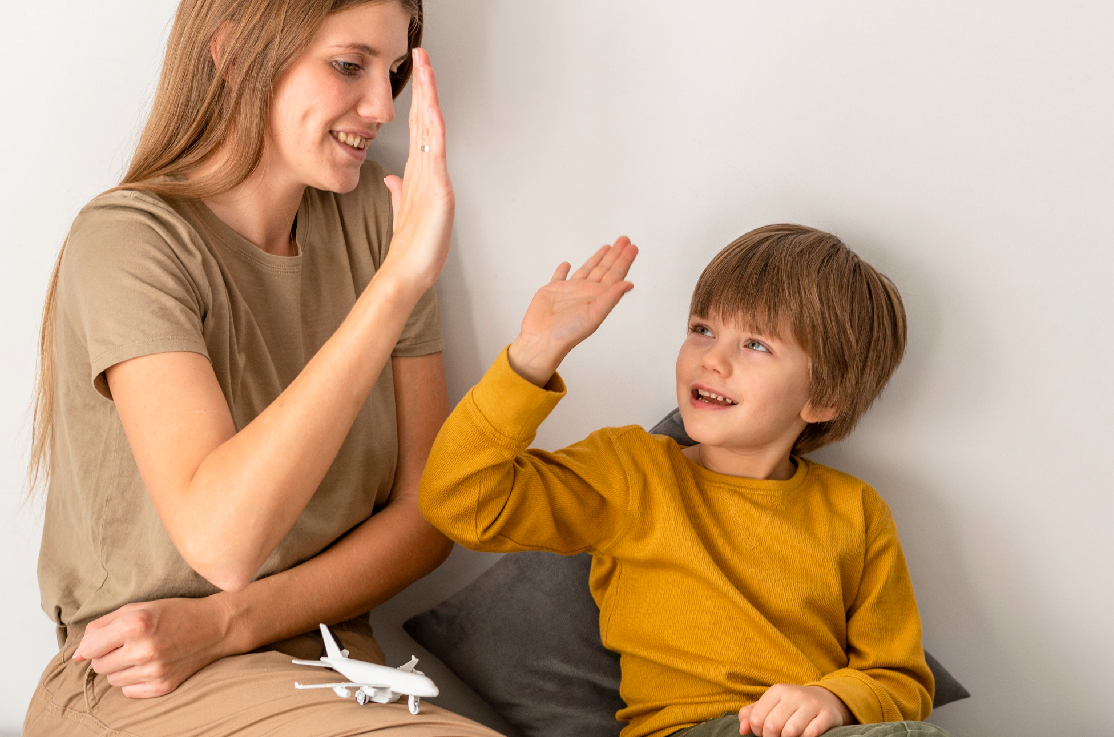
If your child struggles with patience, you’re not alone. At our Company, this is one of the most common things we work on with our kiddos. Whether it’s waiting for a snack, a toy, or your attention—it’s hard for young children (especially those with communication challenges) to understand why they can’t have something right now. The great part is that just like we teach children to follow activity schedules or initiate...
Read More
This blog picks up where we left off in our last post, where we explored how Functional Communication Training (FCT) can help make trips more manageable. Teaching kids how to ask for what they need is a huge step—but what happens when you're out in public and challenging behaviors still show up?
Read More